How to go Plant Based on a budget
So… you’ve decided that you want to take charge of your health and really make a conscious effort to move towards a plant based diet. You’ve done your research and know that choosing a whole foods plant based lifestyle has so many benefits, not only for you but for the environment as well. Choosing this lifestyle for me, personally, has helped decrease my chronic inflammation, improve my energy and improve my body’s efficiency.
So, you do more research and find that to eat this way, most of your food if not all, should be in it’s truest , most natural state. For instance, eating nuts instead of nut butter. Eating whole fruits and not processed fruits from a can. You shop mainly on the outside isles of the grocery store, not the middle isles filled with processed foods.
But then you become overwhelmed at the thought that you have to buy whole foods, prepare them and THEN cook! Then, again, you become overwhelmed that you can’t afford to eat this way. For some reason you just know that eating whole foods is more expensive. Well, there’s a few tips that can help with that. We all know that a box of crackers or cheeze-its truly is less expensive than a pound of grapes but which food is going to nourish your body and not deplete nutrients? The grapes of course. So I’ve come up with a few tips for eating a whole food plant based diet on a budget. Enjoy!
CHOOSE LOCAL
The first tip is to always choose your food in the freshest form and a lot of those times, those foods can come from local farmers markets. If you don’t have any around I’m sure you have neighbors that have gardens that would trade with you or even let you help them in some way (pulling weeds, harvesting the food, etc.) That would allow you to get exercise as well as fresh food. You can become a member of a community garden or a co-op. My husband and I have a small garden. We “fill up” our freezer each summer and eat on the food all winter long. There’s even enough food during the summer that we can eat the veggies fresh and still put some away for winter. You can do this too. There are so many ways to garden; you can use pots and containers. I have even seen people just taking a bag of mulch and cutting the top off and planting directly into the soil. No tractor needed! I think this year my husband and I are going to try to plant a winter garden too. I just love having fresh food.
CHOOSE FRESH
I always buy my produce fresh, but I used to have the tendency to buy in bulk, but that doesn’t always work when buying fresh because sometimes the fruits and veggies would go bad before I could prepare them. So think specifically recipes for that week and only buy what you can eat or freeze. Love smoothies? When you are at the grocery store and you see berries or fruit on sale, check the price of the frozen fruit. The fresh fruit on sale may be cheaper and you can freeze that fruit for smoothies and other things like berries with your breakfast. A little prep will go a long way.
EAT WHAT’S IN SEASON
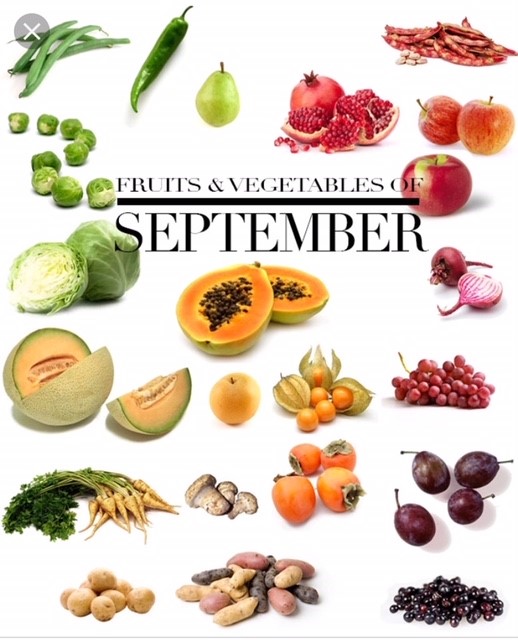
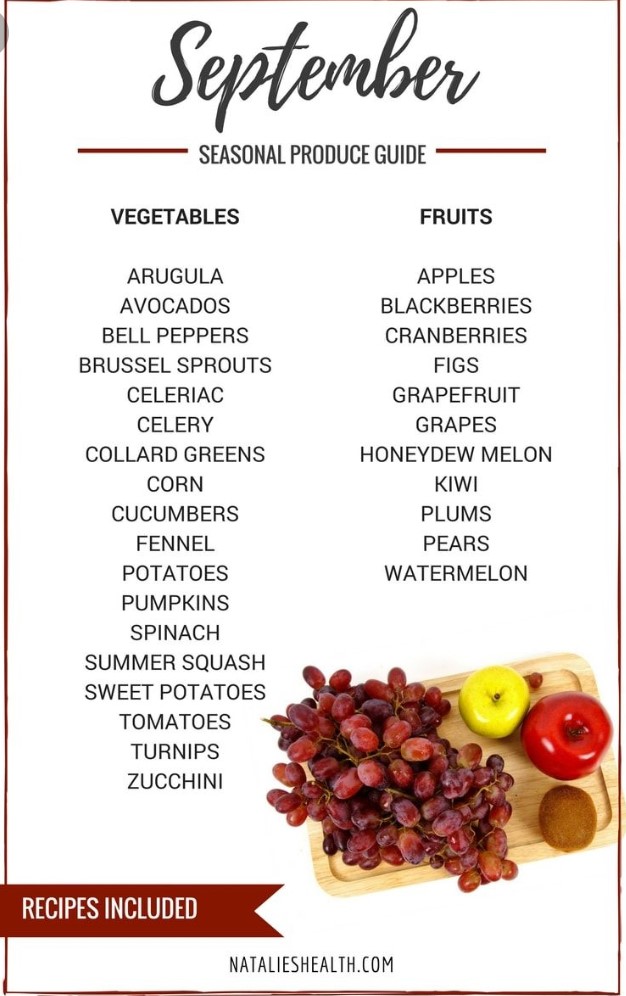
Each month there’s a list of fresh, seasonal foods. Try to buy off of that list. The cost will be lower compared to say buying watermelon in January. Experiment with the seasonal foods in new recipes and you will find how your taste buds expand.
BUY ORGANIC
I know. I can hear you now… but it’s so expensive! Yes, this may not qualify for “eating on a budget” but our health is worth it. I couldn’t leave this out even though we are talking about eating for less. But what I always say, even if you can‘t buy organic and you are buying apples instead of Apple Jacks, then you’ve made progress! Forego that pedicure next month and put that money towards your health!
PLAN AHEAD
I always try to plan for the week ahead and try to buy just what we need. Do I sometimes buy too much? Yes. So what do you do if you plan for the week ahead, you’ve only bought the necessities for that week and then you decide to go out to dinner to celebrate a friend’s birthday? This means you have food that you haven’t prepared. Just make the dish the next day or as soon as you can and freeze it for later. When I’m planning my meals and buying things like potatoes or veggies like avocados, those things can usually last a week or longer. So if I ended up not making my Apple Broccoli Slaw, I’ll just put this recipe on next week’s menu. Another question I’m asked is “Do you meal prep?” I’ll be honest, yes and no. If I meal prep it’s usually for 2-3 days. I typically don’t meal prep further out than that and usually it’s for my lunches at work. Or, I’ll cook our supper sometimes in the mornings before I leave for work and that way I can still come home without the hassle of cooking after a long day. Some people say to sometimes buy only what you need even if that lasts through half the week then go buy for the rest of the week. But that usually gets me into trouble. I end up overbuying and buying things I didn’t really plan for.
EAT WHAT YOU HAVE (and what you like)
Some weeks, I’ll tell my husband, we are eating of the cabinet tonight. What does that mean? You are eating up the food you already have before grocery shopping for the next week. This helps on the budget and helps eat the food you have before it ruining. I’ll admit that sometimes this is hard. I may not want roasted broccoli and beans, but if that’s all we have then that’s what we are eating! When on a budget and experimenting with new foods, only buy a small sample to make sure it’s something that you will like and will eat. Don’t buy a pound of broccoli for a new recipe but then end up throwing the whole dish out, not because of the broccoli, but because of another ingredient in the dish. Trust me… I’ve done this. It’s painful to your budget to waste an entire meal because of one ingredient. If you can, try to half or quarter the recipe first to see if you like it. Then, if you do, then go for the whole recipe.
COOK IN BULK
How do you cook in bulk? I’m not sure what other people call it, but what this means to me is that I will make large pots of soups and stews that will last for several meals and can even be frozen. This is my favorite! You can also buy things in bulk, like dried beans. Dried beans are really inexpensive compared to other foods and I love controlling the sodium in my food. I use the crock pot and instant pot regularly at home. Eating a WFPB diet is all about controlling the ingredients, good and bad, that go into your meals.
FIND APPS
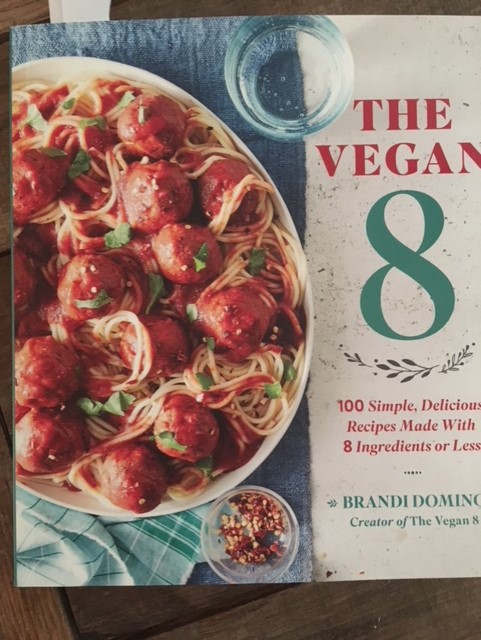
There are so many great food and recipe apps out there now! One of my favorites is Forks Over Knives. They offer so many tasty, plant based, oil free recipes from breakfast to dessert. There’s also another website (not sure if she has an app) called Budget Bytes. These are not strictly vegan or plant based recipes but they do offer those and they calculate how much it costs to make each recipe and how many servings it makes. I love this website when I’m working on a budget! I also love The Vegan 8 recipe book. All of the recipes have only 8 ingredients or less. Talk about cooking on a budget!
The main thing is to begin to make better foods choices that will nourish and heal your body while looking at your budget. I guarantee that eating healthy is more than obtainable on a budget.